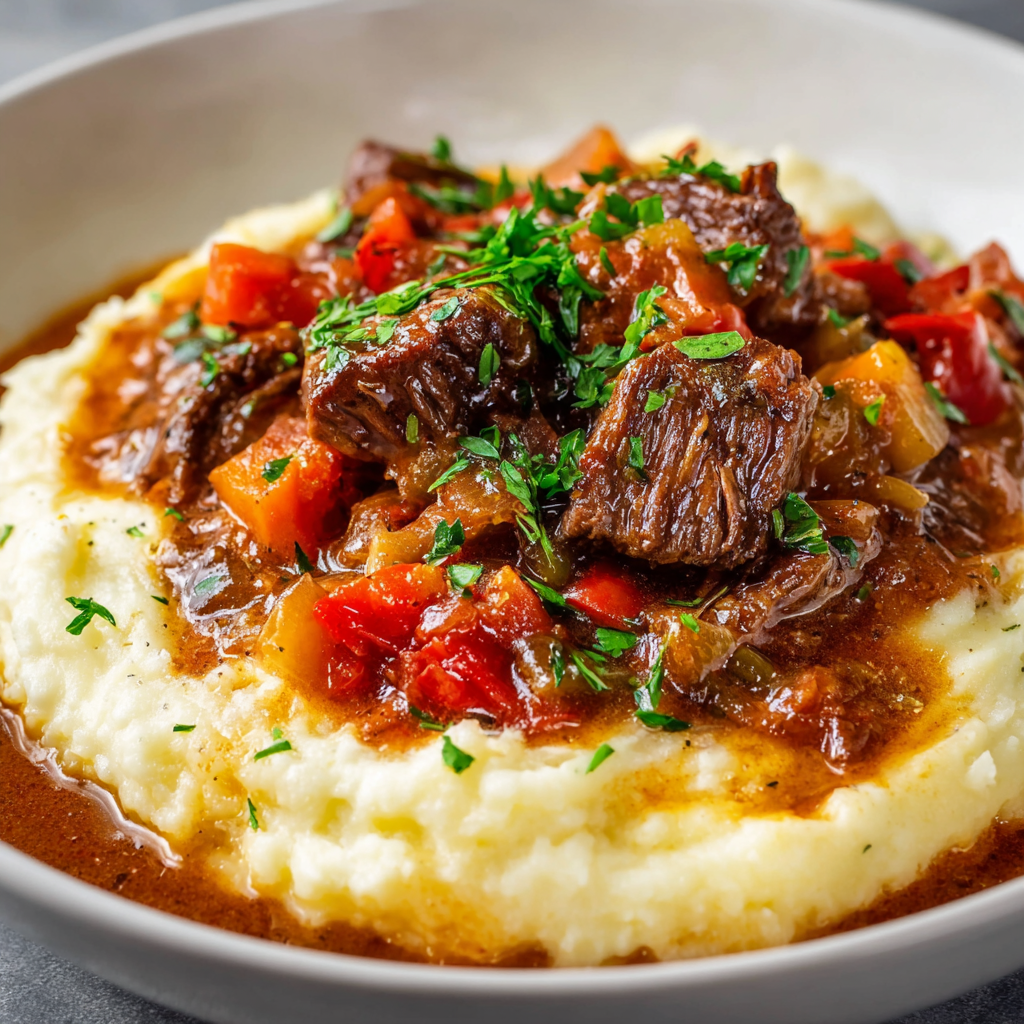
Every autumn, when the leaves start turning golden and there’s that first crisp chill in the air, I find myself craving dishes that warm both body and soul. This fall apple cider stew mash was born during one particularly chilly October evening when I wanted to combine everything I love about the season into one spectacular dish. The result exceeded all expectations—tender, cider-braised beef nestled atop creamy, cheese-laden mashed potatoes, creating a harmony of flavors that tastes like autumn itself.
What makes this recipe truly special is the way apple cider transforms ordinary beef stew into something extraordinary. The cider adds a subtle sweetness and complexity that beautifully balances the rich, savory beef, while the cheddar mashed potatoes provide a luxurious base that soaks up every drop of the flavorful sauce. It’s comfort food elevated to an art form, perfect for Sunday dinners, holiday gatherings, or any evening when you want to feel thoroughly pampered.
While this dish requires some time in the oven, the actual hands-on work is surprisingly minimal. The oven does most of the heavy lifting, slowly transforming simple ingredients into a meal that tastes like you’ve spent all day cooking. Your kitchen will smell absolutely incredible, and your family will think you’re a culinary genius.
Why You’ll Love This Apple Cider Stew Mash
Perfectly Balanced Flavors
The natural sweetness of apple cider creates a beautiful contrast with the savory beef and sharp cheddar cheese. This interplay of sweet and savory makes each bite interesting and satisfying. Unlike traditional beef stews that can feel heavy, the cider brightens everything up while maintaining that cozy, comforting quality we crave in fall dishes.
Make-Ahead Friendly
Both components of this dish can be prepared in advance, making it ideal for entertaining or busy weeknights. The stew actually tastes even better the next day as the flavors continue to develop and meld. Simply reheat and serve over freshly made or reheated mashed potatoes for an effortless yet impressive meal.
Crowd-Pleasing Appeal
This recipe consistently wins over even the pickiest eaters. The familiar comfort of mashed potatoes combined with tender beef creates a dish that feels both homey and special. Children love the creamy potatoes, while adults appreciate the sophisticated flavor profile that the cider brings to the table.
One-Dish Presentation
Serving the stew over mashed potatoes eliminates the need for multiple side dishes. Everything you need is right there in one hearty, satisfying bowl. This approach simplifies both cooking and cleanup, which is always appreciated during busy fall months.
Seasonal Celebration
This recipe showcases autumn’s best offerings, from fresh apple cider to hearty root vegetables. Making this dish becomes a way to celebrate the season and connect with the rhythms of the harvest. It’s the kind of meal that creates lasting memories and might even become a new family tradition.
Ingredients You’ll Need
For the Apple Cider Stew
- 1 tablespoon olive oil – Provides a neutral base for searing the beef
- 2 tablespoons butter – Adds richness and helps develop a beautiful brown crust on the meat
- 340 grams (3/4 pound) top sirloin, cut into cubes – Choose well-marbled beef for maximum tenderness and flavor
- Salt, to taste – Essential for bringing out all the other flavors
- Black pepper, to taste – Adds subtle warmth and depth
- 2 cups apple cider – Use fresh, unfiltered cider for the best flavor; avoid apple juice
- 1/2 cup beef broth – Enriches the sauce and provides savory depth
- 1 large onion, chopped – Adds sweetness and body to the stew
- 2 medium carrots, peeled and chopped – Contributes natural sweetness and color
- 2 tablespoons all-purpose flour – Thickens the sauce to create a luscious consistency
For the Cheddar Mashed Potatoes
- 6 large potatoes, peeled – Russet or Yukon Gold potatoes work beautifully
- 1/4 cup milk – Creates a creamy texture; whole milk is preferred
- 1/4 cup sour cream – Adds tanginess and extra creaminess
- 1 cup sharp cheddar cheese, shredded – Sharp cheddar provides bold flavor that stands up to the stew
- 3 tablespoons chives, finely chopped – Fresh chives add color and mild onion flavor
Optional Enhancements
- Fresh thyme sprigs for herbal notes
- A bay leaf for the stew
- Garlic cloves for additional depth
- Worcestershire sauce for umami boost
- Extra butter for richer potatoes
Essential Tools You’ll Need
Having the right equipment makes this recipe flow smoothly:
- Large skillet – For searing the beef and developing fond
- Dutch oven or oven-safe casserole dish – Essential for braising the stew in the oven
- Large pot – For boiling potatoes
- Potato masher – Creates the perfect texture for rustic mashed potatoes
- Sharp knife and cutting board – For prep work
- Wooden spoon – Ideal for scraping up browned bits
- Measuring cups and spoons – For accuracy
Step-by-Step Instructions
Preparing for Success
Begin by preheating your oven to 375°F (190°C). This moderate temperature allows the stew to braise gently, ensuring the beef becomes fork-tender without drying out. Meanwhile, prepare all your ingredients—cube the beef, chop the vegetables, and measure out your liquids. This mise en place approach makes the cooking process smooth and stress-free.
Pat your beef cubes dry with paper towels before seasoning. This crucial step ensures proper browning rather than steaming. Season the meat generously with salt and black pepper on all sides, remembering that bold seasoning is essential for developing deep flavors in the final dish.
Searing the Beef
Heat your olive oil and butter in a large skillet over medium-high heat until the butter is melted and the mixture begins to shimmer. The combination of oil and butter provides the best of both worlds—the oil prevents burning while the butter adds rich flavor. Once the pan is properly hot, carefully add your seasoned beef cubes in a single layer without overcrowding.
Resist the urge to move the meat around during the first few minutes. Let each piece sear undisturbed for about 2-3 minutes until a deep, golden-brown crust forms. Flip the cubes and repeat on other sides until all surfaces are beautifully caramelized. This process takes approximately 6-8 minutes total and creates the foundation of flavor for your entire stew.
Building the Stew Base
Once your beef is properly seared, add the chopped onions and carrots directly to the skillet with the meat. The vegetables will pick up all those delicious browned bits stuck to the pan. Sauté everything together, stirring occasionally, until the onions become translucent and the carrots begin to soften slightly. This takes about 4-5 minutes and allows the vegetables to develop their own caramelization.
Sprinkle the flour evenly over the beef and vegetables, stirring constantly to coat everything thoroughly. Cook this mixture for 1-2 minutes, stirring frequently. This step cooks out the raw flour taste and creates a roux that will thicken your sauce beautifully as the stew braises.
Creating the Braising Liquid
Pour the apple cider and beef broth into the skillet, immediately using your wooden spoon to scrape up all the browned bits stuck to the bottom of the pan. This process, called deglazing, incorporates all that caramelized flavor back into your sauce. Bring the entire mixture to a rolling boil, stirring occasionally to ensure the flour is fully incorporated and the sauce begins to thicken.
The liquid should look slightly cloudy at first but will clear as it comes to a boil. You’ll notice the aroma transforming as the cider heats up, filling your kitchen with the most wonderful autumnal fragrance. This is when the magic really starts happening.
Oven Braising Process
Transfer your entire mixture to a Dutch oven or oven-safe casserole dish with a tight-fitting lid. The lid is crucial—it traps moisture and creates a gentle, steamy environment that makes the beef incredibly tender. Cover tightly and place in your preheated oven.
Braise the stew for 60-90 minutes, checking once around the 60-minute mark. You’re looking for beef that’s fork-tender and a sauce that has thickened to a rich, coating consistency. The exact timing depends on your beef’s quality and the size of your cubes. When properly done, the beef should practically fall apart when pressed with a fork.
Preparing the Mashed Potatoes
While your stew braises in the oven, prepare your potatoes. Place the peeled potatoes in a large pot and cover them completely with cold water—starting with cold water ensures even cooking throughout. Bring the water to a rolling boil over high heat, then reduce to a steady simmer.
Cook the potatoes until they’re completely tender when pierced with a fork, approximately 20-25 minutes depending on their size. Drain them thoroughly in a colander, then return them immediately to the hot pot. Let them sit for a minute or two—this allows excess moisture to evaporate, resulting in fluffier mashed potatoes.
Creating Creamy Cheddar Mash
Add the milk, sour cream, shredded cheddar cheese, and chopped chives to your hot potatoes. Using your potato masher, work the ingredients together until you achieve a smooth, creamy consistency. The residual heat from the potatoes will melt the cheese beautifully and warm the dairy ingredients.
For ultra-smooth potatoes, mash vigorously until no lumps remain. However, if you prefer a more rustic texture with a few lumps, stop mashing sooner. Taste and adjust seasoning with salt if needed—the amount depends on how salty your cheese and butter are.
Final Assembly and Serving
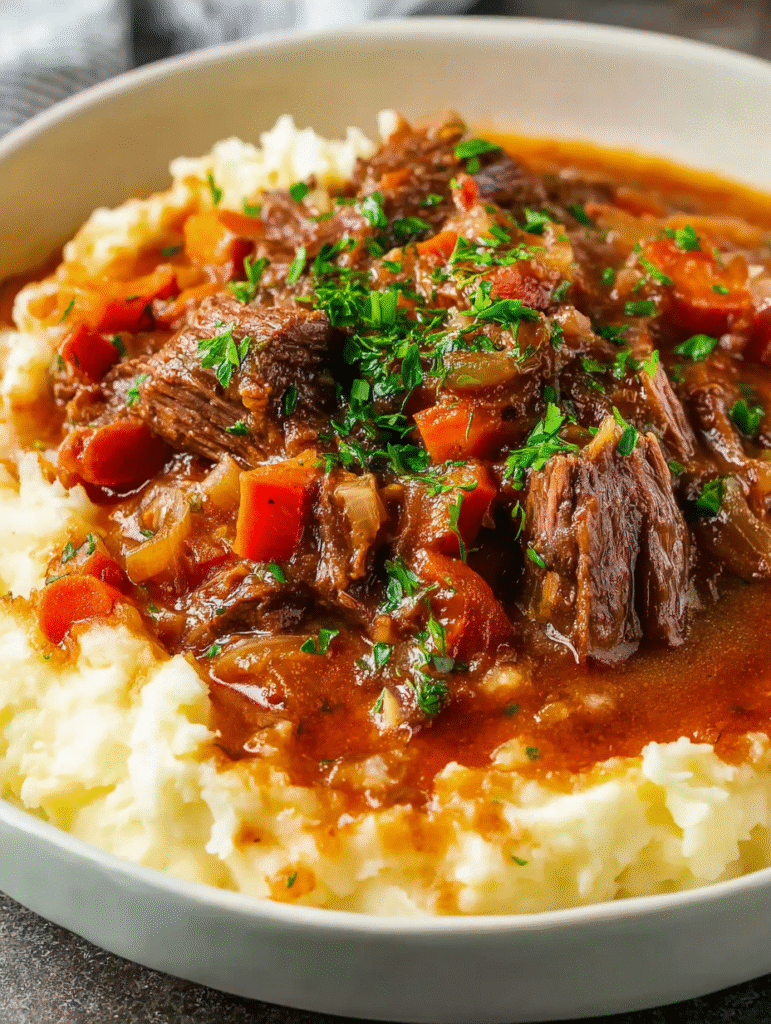
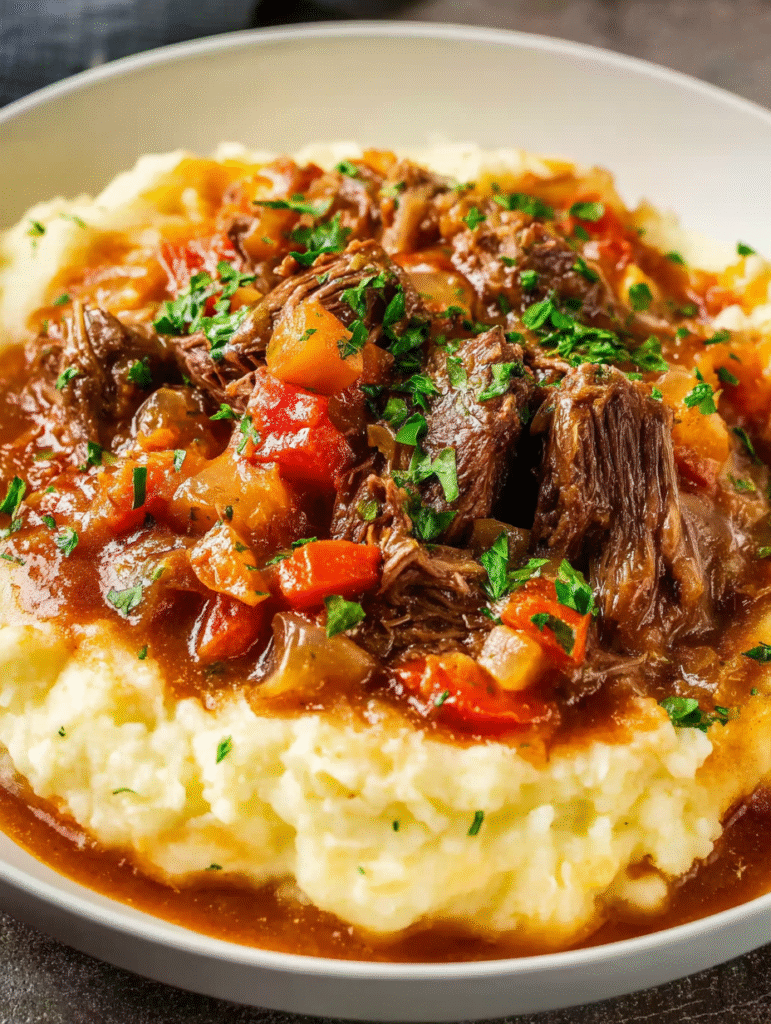
Spoon generous portions of the cheddar mashed potatoes onto individual plates or into shallow bowls, creating a well in the center. Ladle the apple cider beef stew over and around the potatoes, ensuring each serving gets plenty of tender meat, vegetables, and that luscious cider-enriched sauce.
Garnish with extra chopped chives for a pop of fresh color and mild onion flavor. The visual contrast of the golden-brown stew against the creamy white potatoes flecked with orange cheddar is absolutely stunning and appetizing.
Serving Suggestions
Family-Style Presentation
Bring the pot of stew and bowl of mashed potatoes directly to the table, letting everyone serve themselves. This casual, communal approach feels warm and inviting, perfect for family dinners. Provide a ladle for the stew and a large spoon for the potatoes.
Individual Bowl Service
For a more refined presentation, serve in shallow, wide bowls. This restaurant-style plating showcases the beautiful colors and textures while keeping everything contained. Add a crusty bread slice on the side for soaking up extra sauce.
With Complementary Sides
While this dish is satisfying on its own, a simple green salad with apple cider vinaigrette complements it beautifully. Alternatively, serve roasted Brussels sprouts or green beans alongside for added vegetables and color contrast.
Bread Bar Addition
Set out a basket of warm, crusty bread, dinner rolls, or cornbread. The bread provides another vehicle for enjoying every last drop of that incredible cider sauce. Butter the bread generously for extra indulgence.
Recipe Variations to Try
Pork and Apple Version
Substitute pork shoulder or tenderloin for the beef to create a classic fall pairing. Pork naturally complements apple flavors even more than beef, creating a harmonious combination. Add diced apples during the last 30 minutes of braising for additional texture and sweetness.
Root Vegetable Medley
Expand the vegetable component by adding parsnips, turnips, or sweet potatoes to the stew. These autumn vegetables add nutrition, flavor, and beautiful color variations. Dice them similarly to the carrots for even cooking.
Herb-Infused Variation
Add fresh thyme, rosemary, or sage to the braising liquid for additional aromatic complexity. These herbs pair naturally with both beef and apple cider, enhancing the dish’s fall character. Remove woody herb sprigs before serving.
Mushroom Addition
Sauté sliced mushrooms along with the onions and carrots for earthy depth. Button, cremini, or shiitake mushrooms all work wonderfully, adding umami and meaty texture that complements the beef beautifully.
Different Potato Variations
Try sweet potato mash instead of regular potatoes for a naturally sweeter base that intensifies the fall theme. Alternatively, use a combination of regular and sweet potatoes for a beautiful color and balanced flavor profile.
Hard Cider Upgrade
Replace regular apple cider with hard cider for an adult version with more complex, fermented notes. The alcohol cooks off during braising, leaving behind sophisticated flavor depth. This variation is perfect for special occasion dinners.
Make-Ahead Tips and Storage
Advance Preparation Options
The stew can be made up to three days ahead and stored in an airtight container in the refrigerator. In fact, it tastes even better after a day or two as the flavors meld and deepen. Simply reheat gently on the stovetop or in the oven, adding a splash of broth if it seems too thick.
Potatoes are best made fresh, but you can peel and cut them the night before, storing them submerged in cold water in the refrigerator. This prevents oxidation and saves time on serving day. Drain thoroughly before boiling.
Proper Storage Guidelines
Store leftover stew and mashed potatoes separately in airtight containers. The stew keeps refrigerated for up to 4 days, while the mashed potatoes stay fresh for 3-4 days. Separation prevents the potatoes from absorbing too much liquid from the stew.
Both components freeze well for up to 3 months. Freeze in portion-sized containers for easy reheating. Thaw overnight in the refrigerator before reheating to ensure even warming throughout.
Reheating Instructions
Reheat stew gently on the stovetop over medium-low heat, stirring occasionally. Add a splash of beef broth or water if it has thickened too much during storage. Avoid boiling, which can toughen the already-tender meat.
For mashed potatoes, reheat in the microwave with a tablespoon of milk or cream, stirring halfway through. Alternatively, warm them in a covered pot on the stovetop over low heat, stirring frequently to prevent sticking.
Freezing Success Tips
Cool both components completely before freezing to prevent ice crystals from forming. Press plastic wrap directly onto the surface of stored foods to minimize air exposure. Label containers clearly with contents and date for easy identification later.
Important Notes for Success
Choosing the Right Apple Cider
Always use fresh, unfiltered apple cider rather than apple juice for this recipe. True apple cider is more complex, less sweet, and provides better depth of flavor. Look for it at farmers’ markets, orchards, or in the refrigerated section of grocery stores during fall months. Avoid sparkling cider, which contains carbonation that dissipates during cooking without adding anything beneficial.
Beef Selection Matters
While the recipe calls for top sirloin, chuck roast or stew meat also work beautifully and are often more affordable. Choose cuts with some marbling—the fat breaks down during braising, keeping the meat moist and flavorful. Extremely lean cuts will become dry and tough despite long cooking times.
Flour Integration Technique
When adding flour to your meat and vegetables, make sure to stir constantly and cook for at least 1-2 minutes before adding liquid. This step cooks out the raw flour taste and prevents lumps from forming in your sauce. If you skip this step, your stew may taste starchy rather than rich and satisfying.
Potato Variety Impact
Russet potatoes create fluffier, lighter mashed potatoes, while Yukon Golds produce creamier, more buttery results. Either works wonderfully in this recipe, so choose based on your texture preference. Avoid waxy potatoes like red or fingerlings, which don’t mash well and can become gluey.
Resting for Optimal Flavor
Let your finished stew rest for 10 minutes before serving. This brief pause allows the sauce to thicken slightly and the flavors to settle. The meat also reabsorbs some of the juices, ensuring every bite is moist and flavorful.
Frequently Asked Questions
Can I make this in a slow cooker instead of the oven?
Absolutely! After searing the beef and sautéing the vegetables, transfer everything to your slow cooker along with the apple cider and broth. Cook on low for 6-8 hours or high for 4-5 hours until the beef is tender. The slow cooker method is even more hands-off and produces equally delicious results.
What can I substitute for apple cider?
If you can’t find apple cider, use a combination of apple juice and a splash of apple cider vinegar. Mix two cups of apple juice with one tablespoon of vinegar to mimic cider’s sweet-tart balance. Alternatively, white wine or additional beef broth works, though you’ll lose the distinctive apple flavor.
Why is my stew too thin?
Thin stew usually results from insufficient flour or not reducing the liquid enough. To fix it, make a slurry by mixing two tablespoons of cornstarch with two tablespoons of cold water. Stir this into the simmering stew and cook for a few minutes until thickened. Alternatively, simmer uncovered on the stovetop to reduce excess liquid.
Can I use a different type of cheese in the potatoes?
While sharp cheddar is traditional and delicious, Gruyère, fontina, or white cheddar all work wonderfully. Each cheese brings its own character—Gruyère is more nutty and sophisticated, while fontina is incredibly creamy. Avoid pre-shredded cheese if possible, as it contains anti-caking agents that affect melting.
How do I prevent lumpy mashed potatoes?
Lumps typically occur when potatoes aren’t cooked long enough or when cold dairy is added. Ensure your potatoes are completely tender before draining, and use room-temperature or warm milk and sour cream. Mash thoroughly while the potatoes are still hot for the smoothest results.
Can I make this dish dairy-free?
The stew is naturally dairy-free if you use only oil (no butter) for searing. For the potatoes, substitute olive oil or vegan butter for regular butter, use plant-based milk, and skip or replace the cheese with nutritional yeast for a cheesy flavor without dairy.
What’s the best way to reheat this dish?
Reheat the stew gently on the stovetop over medium-low heat, stirring occasionally and adding liquid if needed. For the mashed potatoes, microwave with a splash of milk or warm them in a covered pot on low heat. Avoid high heat, which can separate the potatoes or toughen the meat.
Can I add other vegetables to the stew?
Certainly! Celery, parsnips, mushrooms, or turnips all work beautifully in this stew. Add heartier vegetables like parsnips and turnips at the beginning of braising. More delicate vegetables like mushrooms can be added during the last 30 minutes of cooking time.
Is it necessary to sear the beef first?
While technically optional, searing creates the Maillard reaction—that delicious browning that adds incredible depth and complexity to your stew. The caramelized bits that stick to the pan (fond) become part of your sauce when deglazed. Skipping this step results in a notably blander stew.
Recipe Details:
- Preparation Time: 20 minutes
- Cooking Duration: 90 minutes
- Complete Time: 110 minutes
- Yield: 6 hearty portions
- Category: Soups & Stews, Main Course
- Difficulty Level: Moderate
- Cuisine: American
- Diet: Comfort Food
This fall apple cider stew mash has become my signature autumn dish, requested by family and friends year after year. The combination of sweet cider-braised beef and rich, cheesy mashed potatoes creates something truly special—a dish that embodies everything we love about fall cooking. Whether you’re feeding a crowd or simply treating yourself to ultimate comfort food, this recipe delivers warmth, satisfaction, and the unmistakable taste of the season. Enjoy every cozy, delicious bite!