Introduction
There’s something wonderfully vibrant about combining rich, buttery salmon with the fresh brightness of orange. With each bite of this orange salmon, you’ll experience a juicy, tender fillet infused with the natural sweetness of citrus, kissed by garlic and a hint of warming spice. The aroma of orange zest and garlic lightly sizzling together invites you in from the moment you start cooking.
Picture a warm kitchen: you hear the sizzle as the salmon hits the pan, the citrus scent rising up, and you know you’re about to create something both elegant and comforting. It’s perfect for a relaxed weeknight dinner but refined enough to serve when guests come. The balance of flavors—savory, sweet, slightly tangy—makes this dish feel both special and familiar.
From the crisp exterior of the seared fish to the moist interior that melts in your mouth, every component is designed for comfort and delight. The orange glaze envelops the salmon in a glossy embrace, weaving together layers of texture and aroma. I guarantee this will become one of those dishes you turn to when you want something with a little flair but no fuss.
Why You’ll Love This Recipe
- Bright, citrus-filled flavor that lifts the richness of salmon.
- Quick to prepare — about 30 minutes from start to table.
- Elegant enough for company, easy enough for weeknight.
- Balanced in sweetness and savory — satisfying but not heavy.
- Great texture contrast: crisp sear + tender interior + glossy sauce.
- Versatile in serving — works with rice, veggies, or a leafy salad.
Ingredients
(Serves 4)
- 4 salmon fillets, about 150-180 g (5-6 oz) each, skin on or off as preferred
- Salt and freshly ground black pepper, to taste
- 1 tablespoon olive oil (or neutral cooking oil)
- For the orange-glaze/sauce and marinade:
- ¾ cup fresh orange juice (from about 2-3 medium oranges)
- Zest of 1 orange
- 2-3 tablespoons honey (adjust to sweetness preference)
- 3 tablespoons low-sodium soy sauce (or tamari for gluten-free)
- 1 tablespoon rice vinegar
- 1-2 teaspoons freshly grated ginger (or ½ teaspoon ground ginger)
- 2 garlic cloves, minced
- ½ teaspoon red pepper flakes (optional, for a hint of heat)
- 1 teaspoon cornstarch + 2 tablespoons water, for thickening (optional)
- To serve: cooked jasmine or brown rice, steamed broccoli or green veggies
Instructions
- Prepare the salmon. Pat the salmon fillets dry with paper towels. Season both sides with salt and pepper. If the fillets are thick, you may let them sit at room temperature for about 10 minutes.
- Make the orange-glaze mixture. In a bowl, whisk together the orange juice, orange zest, honey, soy sauce, rice vinegar, minced garlic, grated ginger, and red pepper flakes (if using). Set aside.
- Sear the salmon. Heat the olive oil in a large non-stick or heavy skillet over medium-high heat. Once hot, place the salmon fillets skin-side down (if skin on) and sear for 3-4 minutes until the underside is golden and crisp. Flip carefully and cook the other side for 2-3 minutes, depending on thickness. The fish should be just almost cooked through.
- Simmer the glaze. Remove the salmon temporarily from the pan and set aside on a plate. Reduce the heat to medium. In the same pan, pour the orange-glaze mixture and bring to a gentle boil. If you prefer a thicker sauce, stir together the cornstarch and water, then add to the sauce, whisking until it thickens (about 30–60 seconds).
- Coat the salmon. Return the salmon fillets to the pan, spooning the glaze over them. Simmer together for another 1-2 minutes, letting the salmon finish cooking and absorb the sauce. The internal temperature of the salmon should reach approximately 145 °F (63 °C) or until it flakes easily with a fork.
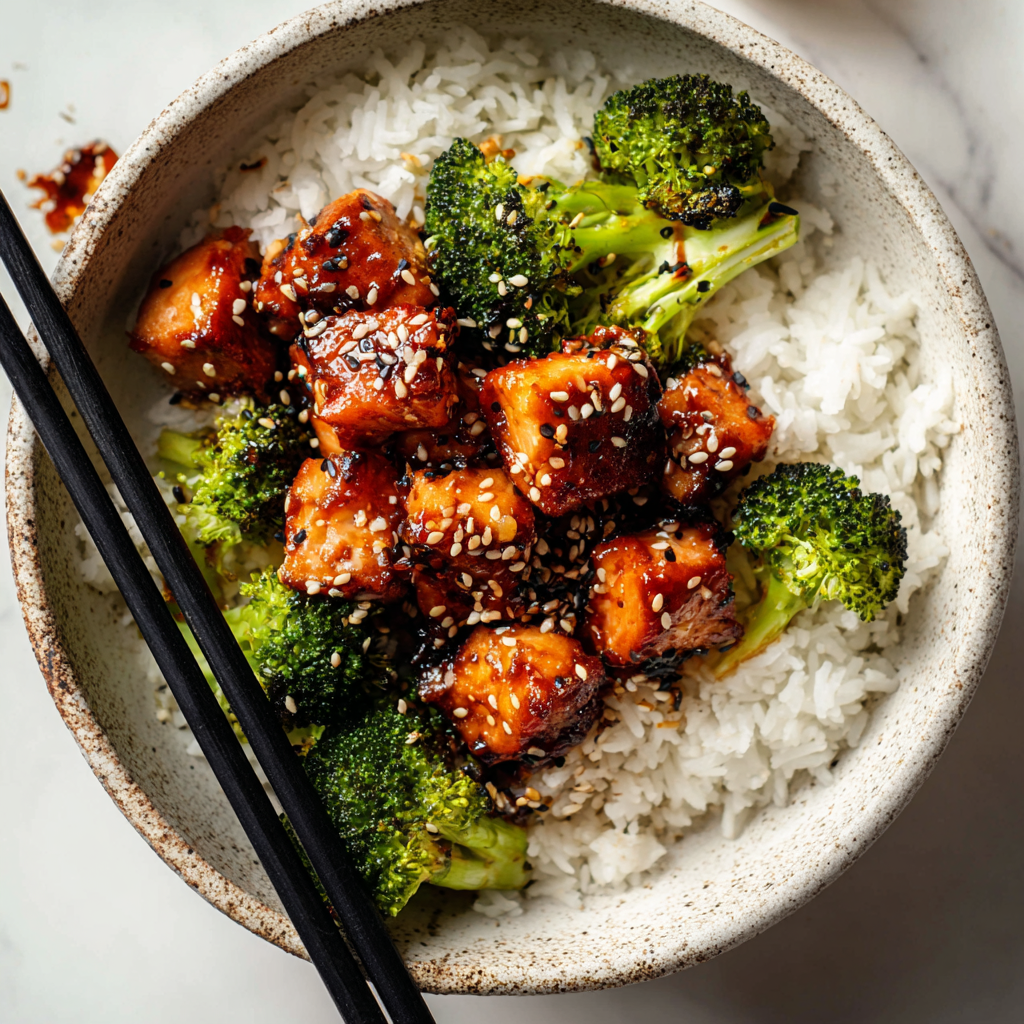
- Serve immediately. Plate the salmon over a bed of rice, steamed broccoli or other veggies, generously spoon over extra glaze, and garnish with a wedge of orange or a sprinkle of fresh herbs if desired.
You Must Know (Helpful Tips)
- Pat the salmon dry — removing excess moisture helps the sear develop a good crust and prevents steaming.
- Don’t overcrowd the pan — give each fillet space so heat circulates and the crust forms.
- Keep an eye on cooking time — salmon cooks quickly and becomes dry if over-done.
- Fresh orange juice is best — bottled juice lacks the vivid aroma and zest character.
- Thicken sauce only if desired — the thinner glaze is still flavorful; thickening is optional.
- Use a meat thermometer if available — check for ~145 °F internal for safe doneness but still moist.
Storage Tips
- Refrigerator: Store leftover salmon in an airtight container for up to 2 days. Store sauce separately for best texture.
- Reheating: Gently reheat in a skillet over low heat with a splash of water or extra sauce to prevent drying. Avoid microwave if possible as it can overcook.
- Freezing: Not ideal for this dish, as salmon texture changes. If you must freeze, wrap well and freeze cooked salmon without sauce for up to 1 month; thaw overnight in fridge and reheat gently.
Ingredient Substitutions
- Soy sauce / tamari: If avoiding soy, you can use coconut aminos or a low-sodium substitute — flavor will be slightly less rich.
- Honey: Maple syrup or agave syrup work as alternatives — maple gives a slightly deeper, woodsy sweetness.
- Ginger: If you don’t have fresh, you may use ½ teaspoon ground ginger — it softens the brightness of fresh grated.
- Rice vinegar: Lemon juice or apple cider vinegar may be used in smaller amount (½ the vinegar quantity) — flavor shifts slightly.
- Salmon: If salmon isn’t available, thick fillets of trout or Arctic char can be used — cooking time will differ slightly.
- Gluten-free version: Use tamari (gluten-free soy alternative) and ensure any honey alternatives are gluten-safe.
Serving Suggestions
- Serve the salmon over steamed jasmine or brown rice, with sides of steamed broccoli, green beans, or asparagus.
- Garnish with fresh orange wedges or thin orange slices to echo the citrus in the glaze.
- For a lighter meal, serve with a mixed green salad dressed in a simple lemon-olive oil vinaigrette.
- A glass of crisp white wine (Sauvignon Blanc) or a light rosé pairs beautifully thanks to the citrus notes.
- For an extra touch, garnish with chopped fresh cilantro or chives to add a fresh herbal contrast.
Pro Tips
- To deepen flavor, marinate the salmon in half the orange-glaze mixture for 10–15 minutes before cooking (reserve the other half for sauce).
- For ultra-crisp skin, after searing, you may finish skin-side up under the broiler for 1-2 minutes—watch carefully so it doesn’t burn.
- If the glaze begins to burn or darken too much, reduce heat and add a splash of orange juice to loosen it.
- Plate with a drizzle of extra-virgin olive oil and a few flakes of sea salt just before serving for restaurant-style finish.
Frequently Asked Questions (FAQ)
Q1: Can I use frozen salmon?
A1: Yes—but make sure to thaw it completely and pat dry before cooking. Frozen salmon tends to release more moisture which may interfere with the sear and sauce adherence. For best results, use fresh or fully thawed fish.
Q2: My glaze turned out too thin—what went wrong?
A2: It may not have reduced long enough, or you skipped the cornstarch thickening step if you expected a thicker coat. To remedy, simmer the sauce a little longer to reduce, or whisk in a cornstarch-water slurry and continue stirring until it coats the back of a spoon.
Q3: How can I tell when the salmon is done?
A3: The flesh should be opaque and just flake easily with a fork. If you have a thermometer, the internal temperature should read about 145 °F (63 °C) in the thickest part. Overcooking will result in dryness.
Q4: Can I prepare the sauce ahead of time?
A4: Yes—you can make the glaze ahead and refrigerate for up to one day. Reheat gently, then finish the salmon just before serving for best texture. However, it’s best to cook the salmon fresh for optimal crust and juiciness.
Q5: What if I don’t like heat or red pepper flakes?
A5: Simply omit the red pepper flakes. The dish will lose the slight warming kick but still retain vibrant flavor from the orange and garlic-ginger components.
Q6: Is this dish gluten-free?
A6: It can be—just ensure you use a gluten-free soy sauce substitute (such as tamari), and check that any honey or other ingredients are certified gluten-safe.
Closing Sentence
Here’s to a dinner that feels both fresh and indulgent—may this orange-salmon dish bring bright citrus charm, rich texture, and cozy satisfaction to your table tonight.