Introduction
There’s a special kind of comfort that comes from a corned beef brisket slowly baked until tender, its edges caramelized with a sweet and tangy glaze. This Baked Dijon Brown Sugar Corned Beef brings that feeling to your dinner table — warm, cozy, and a little bit celebratory. It’s the kind of dish that makes your kitchen smell like home, with rich meatiness balanced by mustard’s bright bite and the mellow sweetness of brown sugar.
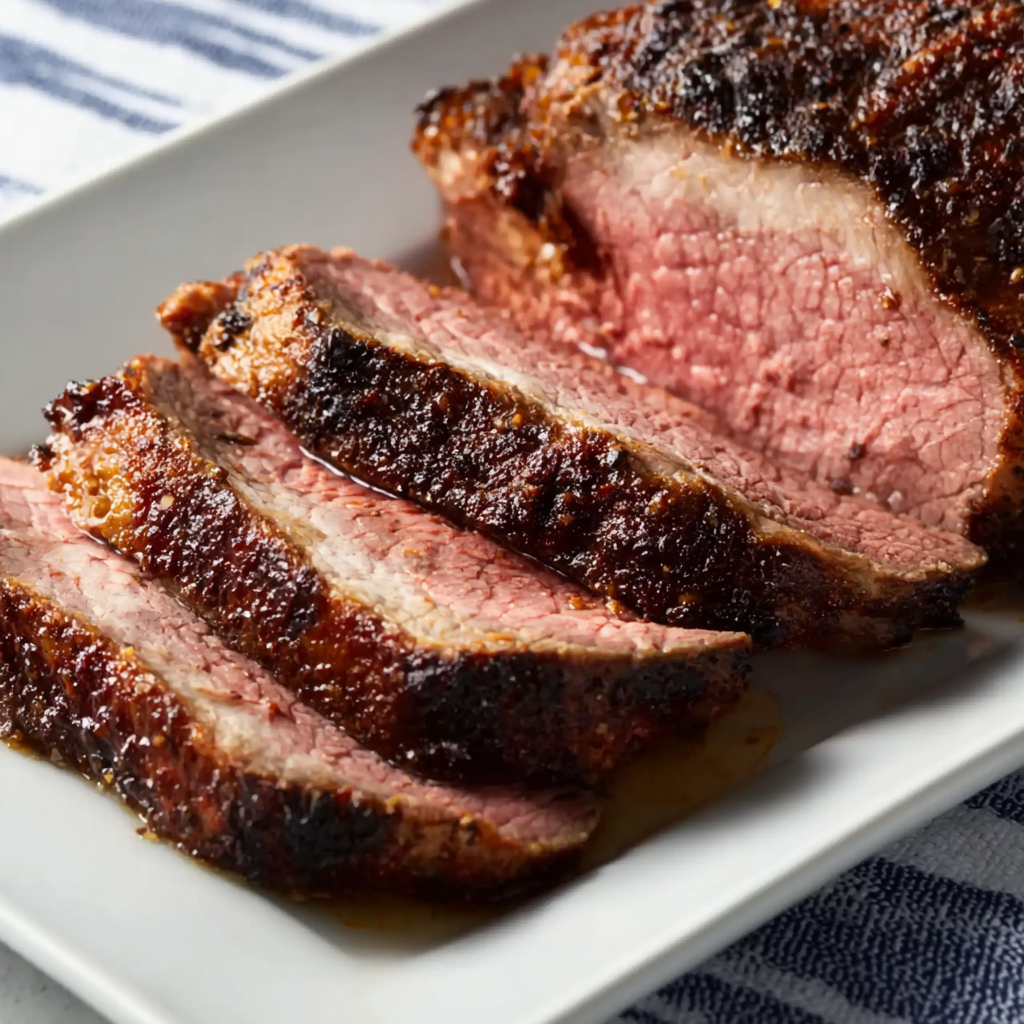
Picture cutting into a thick slice of this brisket, watching juices glisten in the light, and hearing that satisfying fork tug as you pull off a tender shred. The glaze, made of Dijon mustard, brown sugar, and aromatic seasonings, transforms during the baking into a sticky, flavorful crust that sings with savory-sweet harmony.
This recipe is perfect for a lazy weekend gathering, a St. Patrick’s Day dinner, or whenever you want meat that feels both hearty and special. It’s a hands-off bake — you prepare the brisket, slather on the glaze, then let the oven do the rest. As it roasts, your home fills with warm, nostalgic aromas that promise something deeply satisfying at the end of the day.
Why You’ll Love This Recipe
- Tender, melt-in-your-mouth brisket — slow-baked until beautifully soft
- Sweet and tangy glaze — Dijon mustard mixed with brown sugar creates a sticky, flavorful crust
- Hands-off cooking — a simple prep, then bake; minimal fuss but maximum reward
- Perfect for gatherings — makes great portions for sharing or leftovers
- Aromatic and cozy — warm spices and mustard infuse the meat with a homely, inviting scent
- Versatile serving — serve with classic sides or slice thin for sandwiches
Ingredients
(serves about 6–8, depending on portion size)
- 4–5 lb corned beef brisket, with spice packet (or without, if you prefer to season yourself)
- 1 large onion, quartered
- 4–5 garlic cloves, smashed
- 2 cups beef broth (or water + a splash of apple cider vinegar)
- ½ cup brown sugar, packed
- ¼ cup Dijon mustard
- 2 tbsp whole-grain mustard (optional, for texture)
- 2 tsp Worcestershire sauce
- 1 tsp ground black pepper
- ½ tsp ground allspice (optional, for warm depth)
- ½ tsp ground cloves (optional, for a sweet-spicy edge)
- 2 tbsp unsalted butter, melted (to help the glaze stick)
- Fresh parsley, chopped (for garnish)
Instructions
- Preheat and prep:
- Preheat your oven to 325°F (163°C).
- Rinse the corned beef under cold water (if it has been packed in brine), and pat it dry with paper towels. This helps remove excess salty brine and avoids diluting flavors.
- Set up in a roasting pan:
- Place the quartered onion and smashed garlic cloves at the bottom of a large roasting pan or Dutch oven.
- Position the corned beef brisket on top, fat side up, so that the fat layer will baste the meat while it cooks.
- Add liquid:
- Pour beef broth around the brisket (not over the top so as not to disturb the fat or the onions/garlic). The liquid should come about halfway up the sides of the meat.
- Prepare the glaze:
- In a medium bowl, whisk together brown sugar, Dijon mustard, whole-grain mustard (if using), Worcestershire sauce, black pepper, allspice, cloves, and melted butter until smooth and combined.
- Glaze the brisket:
- Spread about two-thirds of the glaze evenly over the top of the brisket, massaging it gently so it adheres to the fat cap.
- Cover and bake:
- Cover the pan tightly with aluminum foil (or a tight-fitting lid) to trap moisture.
- Bake in the preheated oven for 2½ to 3 hours (or about 45 minutes per pound), until the brisket is tender and a small knife slides in easily.
- Glaze again for crust:
- Remove the foil carefully (watch for steam).
- Brush the remaining glaze over the top of the brisket.
- Increase oven temperature to 375°F (190°C), and return the brisket uncovered for an additional 20–30 minutes, or until the glaze becomes sticky and slightly caramelized (keep an eye on it to prevent burning).
- Rest and slice:
- Remove the brisket from the oven and tent it loosely with foil. Let it rest for at least 15 minutes. Resting helps the juices redistribute and makes slicing easier.
- After resting, slice the brisket across the grain into thick or thin slices, depending on your preference.
- Serve:
- Transfer the sliced corned beef to a serving platter. Spoon any pan juices and remaining glaze over the top. Garnish with fresh chopped parsley for a pop of color and brightness.
You Must Know (Helpful Tips)
- Trim wisely: If the brisket has a very thick fat cap, trim some off—but leave enough so the fat can render down and baste the meat.
- Don’t skip the onions and garlic: They flavor the cooking liquid and add subtle aromatics to the meat.
- Tight seal: Covering the pan tightly ensures the brisket steams in its own juices and stays moist.
- Monitor the glaze finish: When you boost the heat at the end, watch carefully — brown sugar can burn fast.
- Resting is crucial: Letting the meat rest under foil gives a juicier, more tender final result.
Storage Tips
- In the fridge: Store leftover slices of corned beef in an airtight container for up to 4–5 days.
- In the freezer: Wrap slices tightly in plastic wrap and place in a freezer bag or container; you can freeze for up to 2 months.
- To reheat: Warm in a 300°F (150°C) oven, covered with foil and a splash of beef broth to keep it moist. Alternatively, gently reheat on the stovetop in a skillet with a little of the pan juices or broth.
Ingredient Substitutions
- Beef broth: If you don’t have beef broth, use water plus a small splash of apple cider vinegar or a bouillon cube for flavor.
- Dijon mustard: You can use yellow mustard, but the glaze will be less sharp.
- Brown sugar: You can substitute with light or dark brown sugar; dark brown gives a richer, deeper sweetness.
- Spices: If you don’t have allspice or cloves, you can leave them out — the glaze will still be delicious, though slightly less warm-spiced.
- Unsalted butter: Olive oil or melted coconut oil can work, but the glaze may not brown quite the same way.
Serving Suggestions
- Serve with roasted potatoes, mashed potatoes, or buttery egg noodles to soak up the glaze.
- A side of cabbage, carrots, or Brussels sprouts roasted in the same oven complements the saltiness and sweetness of the meat.
- For sandwiches: thinly slice leftover brisket, layer it on rye or sourdough bread, add a little mustard, and maybe some pickles.
- Pair with a robust dark ale, a crisp dry white wine, or a classic cola for a comforting, hearty meal.
Pro Tips
- Use a meat thermometer: Aim for an internal temperature of about 195°F (90°C) when testing for tenderness; it’s the point where connective tissues break down and the meat becomes fork-tender.
- Deglaze after searing: If you first seared the brisket before adding liquid, deglaze the pan with a splash of broth or wine to pick up all the flavorful browned bits.
- Double the glaze: This recipe makes a generous amount — if you want to save extra for more brushing later (or for leftover meat), mix up double the glaze.
- Caramelize edges: For an extra-crisp glaze, you can briefly broil (on low) for 1–2 minutes instead of increasing the oven temperature, but watch closely to avoid burning.
Frequently Asked Questions (FAQ)
Q: Do I need to boil the corned beef before baking?
A: No, you don’t have to boil it first. This recipe uses a slow bake to gently break down the meat’s fibers and infuse flavor, eliminating the need for a pre-boil.
Q: Can I use a slow cooker instead of baking?
A: Yes — place the brisket on onions and garlic in the slow cooker, add half the glaze, pour in broth, then cook on low for 8–10 hours or high for 4–5 hours. In the last 30 minutes, brush on the remaining glaze and remove the lid so the glaze can thicken.
Q: How do I know when the corned beef is done?
A: It’s done when a fork or skewer slides in easily and the internal temperature is about 195°F (90°C). Let it rest before slicing.
Q: Is this recipe very salty?
A: Corned beef can be quite salty by nature. Rinsing it thoroughly before cooking helps reduce excess salt. Also, the sweetness from the brown sugar and the brightness of Dijon help balance the saltiness.
Q: Can I make the glaze ahead of time?
A: Absolutely. You can prepare the mustard-brown sugar glaze a day ahead, cover it, and store it in the fridge. Bring it to room temperature (or warm it slightly) before brushing on.
Q: Will this work for a smaller or larger brisket?
A: Yes — adjust the baking time roughly in proportion: about 45 minutes per pound at 325°F, plus the final glaze step.
Closing Sentence
No matter the occasion, this Baked Dijon Brown Sugar Corned Beef will fill your home with warmth and your table with hearty, soulful flavor — a true celebration of comfort in every sticky, tender bite.