Introduction
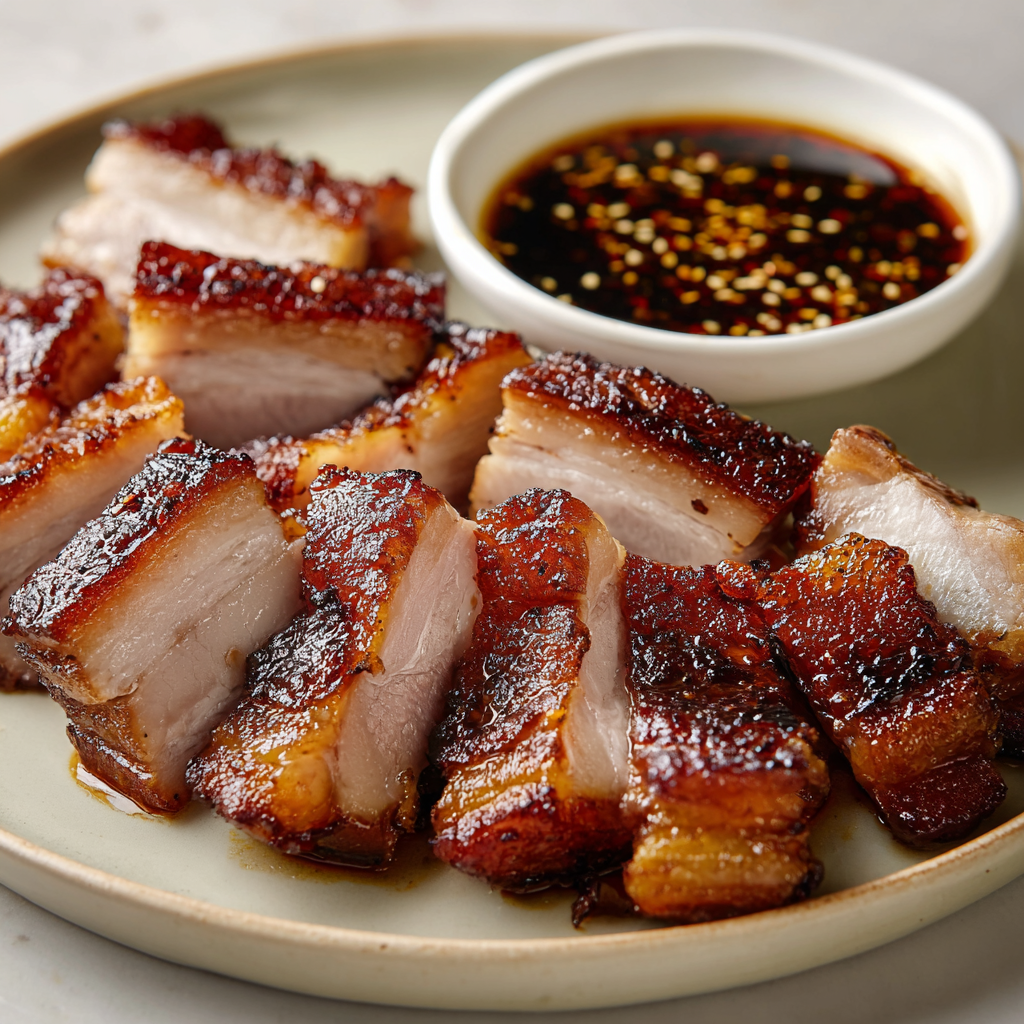
If there’s a dish that truly embodies the playful indulgence of Filipino cuisine, Lechon Kawali is it. This isn’t just fried pork belly—it’s pork belly elevated: simmered until tender, dried out, then deep-fried until the skin crackles like the best kind of crunchy snack. It’s the sort of comfort food that feels celebratory, even if you’re just making it for a regular weeknight.
Imagine biting through golden, blistered pork skin to reach juicy, melt-in-your-mouth meat underneath. The contrast of textures is deeply satisfying, and the ritual of preparing it—boiling, drying, frying—makes the payoff so worth it. Serve it with a tangy vinegar-soy dip or traditional liver-based lechon sauce, and you’ve got an irresistible centerpiece that brings friends and family around the table, smiling and savoring each bite.
This is more than just “crispy pork.” It’s a Filipino classic, a little bit nostalgic, and a lot of fun.
Why You’ll Love This Recipe
- Irresistibly crunchy skin — blistered, bubbly pork crackling at its best
- Juicy, tender meat inside — thanks to the gentle simmer before frying
- Classic Filipino flavors — garlic, bay leaf, peppercorns, and a salty finish
- Versatile serving — pair with vinegar dip, lechon sauce, or pickled atchara
- Perfect for sharing — a crowd-pleaser that disappears fast
- Adaptable cooking methods — classic deep-frying or air-fryer for a lighter twist
Ingredients
Makes about 6–8 servings, depending on size:
- 1 kg (2.2 lb) skin-on pork belly
- 2–3 bay leaves
- 8–10 garlic cloves, crushed
- 1–2 tablespoons whole black peppercorns
- 2 tablespoons salt (for boiling)
- Vegetable oil for deep frying (high smoke point: canola, peanut, etc.)
- Coarse salt (for rubbing the skin after drying)
- Vinegar dip or lechon sauce, for serving
Instructions
- Boil the pork belly
- In a deep pot, place the pork belly with garlic, bay leaves, peppercorns, salt, and enough water to just cover the meat.
- Bring to a boil, then reduce heat and simmer gently for 45 minutes to 1 hour, or until the meat is tender but still holds its shape.
- Dry the meat thoroughly
- Remove the pork belly from the pot and let it drain well. Pat it dry with paper towels.
- Allow it to air-dry in the refrigerator (uncovered) for several hours or overnight — this step helps the skin crisp up beautifully later.
- Score and salt the skin
- Once the pork belly is dry and cold, lightly score the skin with a fork or sharp knife—just enough to help the blistering.
- Brush or rub the skin side with vinegar (this draws out even more moisture) then sprinkle a layer of coarse salt over the skin.
- Fry the pork belly
- Heat the oil in a deep, heavy pot to around 180–190°C (350–375°F).
- Carefully add the pork belly (skin-side down first) and fry until the skin puffs, crackles, and turns deeply golden, about 5–8 minutes.
- Flip and fry the meat side for another few minutes until cooked through and crisp.
- Rest and cut
- Remove the pork belly from the oil and place it on a wire rack or paper towel–lined plate to drain.
- Let it rest for about 10 minutes so the juices settle, then slice into bite-sized cubes or strips.
- Serve
- Arrange the crispy pork on a platter and serve with your choice of dipping sauce: spiced vinegar, soy-vinegar-garlic mix, or traditional lechon liver sauce.
You Must Know (Helpful Tips)
- Drying is crucial: Letting the pork sit uncovered in the fridge overnight really helps achieve that crackling skin.
- Use the right oil: Choose a high smoke point oil so you can fry hot without burning.
- Score, don’t cut deeply: Lightly scoring helps blister the skin, but cutting too deep reduces crispiness.
- Be careful when frying: Wet skin + hot oil = splatters. Dry thoroughly and fry with care.
- Cool briefly before cutting: Resting helps the meat retain its juices and makes slicing safer.
Storage Tips
- Refrigerator: Store leftover pieces in an airtight container for up to 2–3 days.
- Reheating: To re-crisp, bake in a hot oven (around 200°C / 400°F) on a rack for 10–15 minutes.
- Freeze: You can freeze cooked lechon kawali in sealed portions, but the skin may soften when thawed — re-crisping in the oven helps.
Ingredient Substitutions
- Pork belly: Use any skin-on belly or fatty cut; avoid lean cuts, or you’ll lose crispiness.
- Seasonings in the boil: You can add shallots, onion, or even lemongrass for extra aroma.
- Vinegar: Use cane vinegar, white vinegar, or rice wine vinegar for the dip — whatever you have.
- Dipping sauce: Swap in banana ketchup, sweet chili sauce, or even sriracha mixed with soy for a fun twist.
Serving Suggestions
- Serve with steamed white rice — the classic pairing.
- Offer pickled atchara (papaya) on the side for a refreshing contrast.
- Pair with a tangy, garlicky vinegar dip or lechon liver sauce for extra flavor.
- Add sautéed greens or a simple salad to balance the richness of the pork.
Pro Tips
- For even better crackling, dry the skin in front of a fan (or use a small fan in the kitchen) before frying.
- Use a candy or deep-fry thermometer to monitor oil temp so you don’t burn the skin or undercook the meat.
- If the skin is browning too fast, reduce the heat slightly and let it bubble more gently.
- Reserve the frying fat — you can save and reuse it for other recipes (or to roast potatoes later).
Frequently Asked Questions (FAQ)
Q: Can I skip the boiling step and just deep-fry the pork belly?
A: It’s not recommended. Boiling tenderizes the meat and helps render out some fat, which gives you that juicy interior and safer, more controlled frying.
Q: Why isn’t my skin crispy?
A: Likely because the skin wasn’t dried enough, or there was still too much moisture when frying. Make sure to air-dry well, and score very lightly.
Q: Is air-fryer lechon kawali possible?
A: Yes! Boil and dry the pork belly as usual, then air-fry at high heat. You’ll use less oil, and it can still turn out crisp, though not quite as bubbly as deep frying.
Q: What dipping sauce goes best with it?
A: Traditional options are vinegar with garlic and sometimes chili, or a liver-based lechon sauce. You can also get creative with sweet or spicy dips, depending on your taste.
Q: How do I reheat leftovers without losing the crispiness?
A: Use the oven. Place pieces on a wire rack over a baking sheet, and re-crisp at high heat (around 200°C / 400°F) for 10–15 minutes.
Closing Sentence
Crispy, juicy, and deeply satisfying, this Lechon Kawali is a celebration of textures and flavor — a dish that brings the joy of Filipino comfort food straight into your kitchen.