Introduction
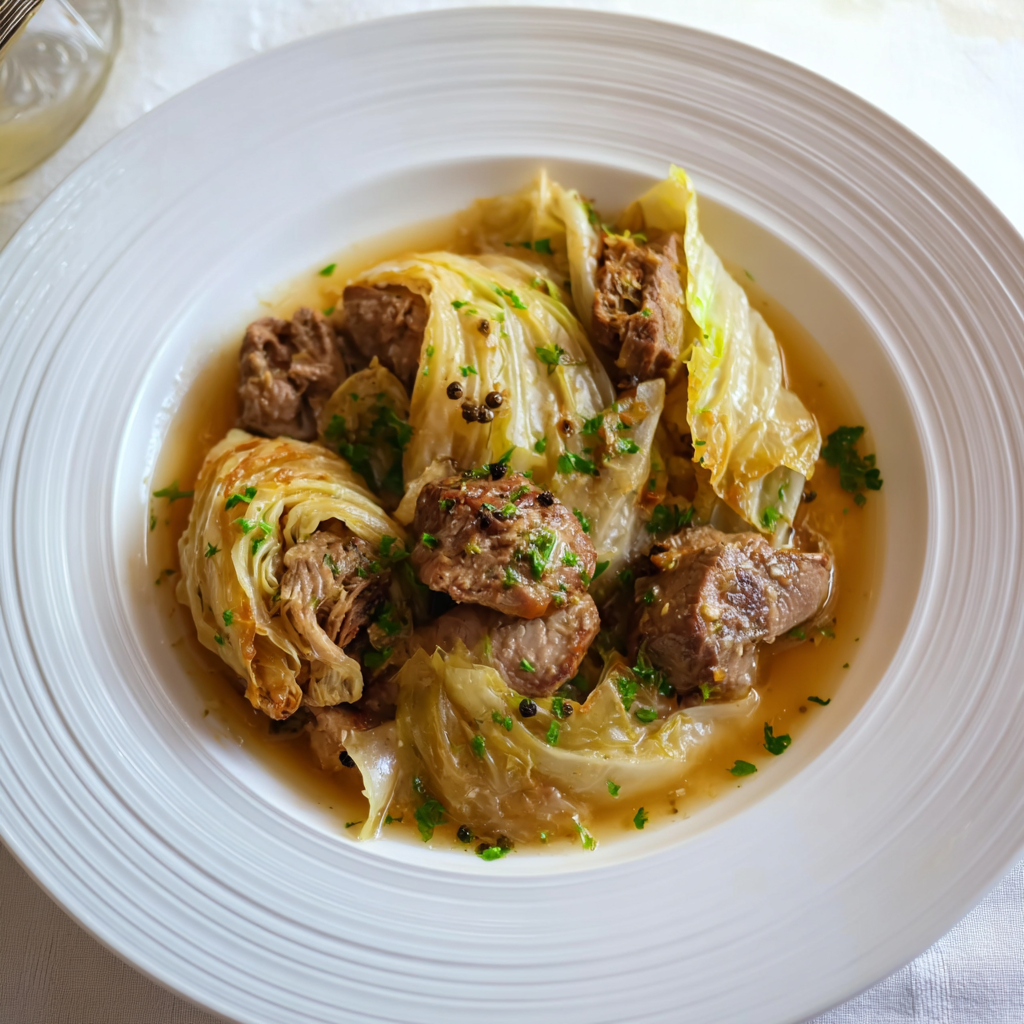
There’s a timeless charm to Farikal (also spelled Fårikål), Norway’s treasured national dish. It’s a simple, slow-cooked lamb-and-cabbage stew that feels like a warm hug on a crisp autumn day. Just imagine layering tender lamb pieces and hearty cabbage wedges in a pot, then seasoning everything with whole peppercorns, salt, and a splash of water — the result is pure, unpretentious comfort.
As the stew simmers gently, the flavors soften and meld: the fat from the lamb melts into the cabbage, which becomes richly aromatic and almost sweet. The peppercorns float through the broth, lending gentle warmth and character. When it’s ready, Farikal is typically served steaming hot with boiled potatoes on the side, allowing you to soak up every bit of the savory liquid.
This dish is not just about nourishment — it’s deeply cultural. Norwegians celebrate it in the fall when lamb is at its best, and many even hold a special day in its honor. It’s the kind of meal that draws people in, inviting them to slow down, savor, and share.
Why You’ll Love This Recipe
- Classic, comforting flavors — rich lamb and sweet cabbage with a peppery kick
- Minimal ingredients — simple to make, but full of depth
- Slow-cooked goodness — simmering for hours softens the meat and deepens the flavors
- Perfect for colder weather — this stew warms you from the inside out
- Very traditional — a taste of genuine Norwegian heritage
- Great for family meals — hearty and satisfying, with easy-to-find ingredients
Ingredients
(Makes about 6–8 servings)
- 1.5–2 kg (3–4 lb) lamb or mutton, on the bone (e.g. neck, shoulder)
- 1 large head of green cabbage, cut into large wedges
- 5–8 teaspoons whole black peppercorns
- 2–3 teaspoons salt (adjust as needed)
- Water, enough to cover most of the ingredients (around 3–4 cups, depending on your pot)
- 2–3 tablespoons all-purpose flour (optional — helps thicken the broth)
Instructions
- Prepare the meat and cabbage:
- Wash the lamb pieces and pat them dry.
- Cut the cabbage into large wedges, keeping each wedge stable and hearty (so they hold up during cooking).
- Dust the meat (optional):
- If using flour, lightly dust the lamb pieces in flour. This can help slightly thicken the stew’s liquid as it simmers.
- Layer in the pot:
- In a large, heavy pot (like a Dutch oven), place a layer of lamb pieces on the bottom.
- Add a layer of cabbage wedges on top of the meat.
- Sprinkle some whole peppercorns and a pinch of salt over that layer.
- Continue alternating layers of meat, cabbage, peppercorns, and salt, finishing with a top layer of cabbage.
- Add water:
- Pour in enough water so that the ingredients are mostly covered (but not swimming in liquid).
- Simmer slowly:
- Bring the pot to a gentle boil over medium-high heat.
- Once boiling, reduce the heat to low, cover, and let everything simmer for 2.5 to 3 hours — or until the lamb is very tender and the cabbage has wilted beautifully.
- Final seasoning:
- Taste the broth. Adjust with more salt if needed.
- If the broth feels too thin, you can stir in a little extra flour (mixed in cold water) to thicken, or let it reduce uncovered for a few minutes.
- Serve:
- Remove from heat and gently transfer to a large serving bowl.
- Serve with boiled potatoes on the side, which are perfect for soaking up the flavorful broth.
You Must Know (Helpful Tips)
- Use fattier cuts of lamb or mutton: The fat adds flavor and richness as it renders during cooking.
- Keep peppercorns whole: They infuse the broth with warm, gentle spice without making it overly hot.
- Simmer gently: Low and slow is key — this helps the meat become really tender without drying out.
- Don’t overfill with water: The cabbage will release its own liquid; maintain a balance so the stew isn’t too watery.
- Layering matters: Start with meat on the bottom so its juices rise and flavor the cabbage above.
Storage Tips
- In the fridge: Store cooled leftovers in an airtight container for up to 3–4 days.
- To reheat: Gently warm on the stove over low heat; stir occasionally and add a splash of water if the broth has reduced too much.
- Freezing: While possible, freezing can soften the cabbage texture significantly — it’s best enjoyed fresh.
Ingredient Substitutions
- Meat: If lamb or mutton is hard to find, a fattier cut of beef can work in a pinch — though you’ll lose some of the traditional flavor.
- Peppercorns: Use whole black peppercorns for authenticity; crushed pepper will intensify the heat but may muddy the flavor.
- Water: Some recipes use a bit of broth instead of pure water for added richness.
- Flour: Omit it entirely for a lighter broth, or use a gluten-free alternative if needed.
Serving Suggestions
- Serve with steamed or boiled potatoes, which pair beautifully and absorb the flavorful juices.
- A side of crisp flatbread or crusty bread works perfectly to mop up the broth.
- For a northern touch, offer lingonberry or cranberry sauce on the side for a tart contrast.
- Pair with a full-bodied beer, a mellow red wine, or even a glass of sparkling water to highlight the simplicity of the flavors.
Pro Tips
- Let the stew rest for a few minutes before serving — flavors settle, and the broth becomes even more mellow.
- Make it ahead: Farikal often tastes even better the next day after the flavors have fully mingled.
- For extra depth, briefly brown the lamb pieces in a separate pan before layering them — this adds a roasted richness.
- Skim gently: If there’s excess fat on the surface after cooking, you can skim it off or chill the stew briefly and remove the solidified fat.
Frequently Asked Questions (FAQ)
Q: Can I use chicken or pork instead of lamb?
A: You can, but it won’t have the same traditional richness. Lamb (especially mutton) gives the signature flavor and fat that makes Farikal so comforting.
Q: Why do some recipes use flour?
A: The flour helps thicken the broth slightly, giving it a more substantial texture. But many traditionalists skip it entirely — it’s up to your preference.
Q: Is the peppercorn amount very spicy?
A: Not really — the peppercorns infuse warmth and aroma, rather than heat. If you prefer a lighter peppery note, you can reduce the amount.
Q: Can I cook this in a slow cooker?
A: Yes! Layer the meat and cabbage in the slow cooker, add salt, pepper, and water. Cook on low for 6–8 hours, or until the lamb is very tender.
Q: How do I know when it’s done?
A: The lamb should be soft enough to pull away from the bone easily, and the cabbage should be tender, wilted, and richly flavored.
Q: What’s the best side dish?
A: Boiled potatoes are traditional and perfect for soaking up the savory broth. You can also serve simple flatbread or a tart berry sauce for contrast.
Closing Sentence
This Farikal is a beautiful, rustic stew that brings together the comforting warmth of slow-cooked lamb and cabbage — a true taste of Norwegian tradition, served in a bowl full of nostalgia and heart.